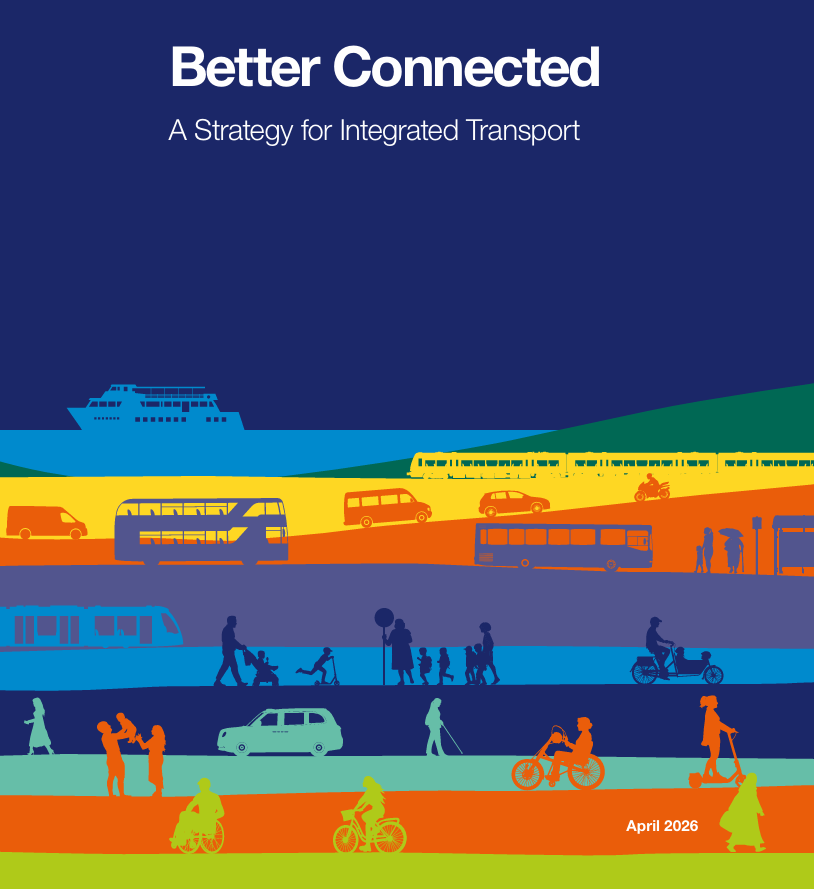
The Transport Committee’s recent inquiry on ‘joined-up’ journeys offered a treasure trove of evidence and viewpoints on integration. Here's what the evidence says

By Barnaby Kinch, Policy Assistant
The Transport Committee’s recent inquiry on ‘joined-up journeys' offered a treasure trove of evidence and viewpoints on integration.
I reviewed the more than 100 submissions as part of EEH’s evidence-based approach on integration to help inform our major programme of work going forward.
What emerges very strongly is how integration only truly succeeds when the journey feels predictable from door to door across modes.
And in terms of mode, The Associated Society of Locomotive Engineers and Firemen’s (ASLEF) evidence reminds us that two-thirds of journeys begin with walking, while the Campaign for Better Transport states that improving pedestrian and cycling links to stations can increase footfall by up to 30%.
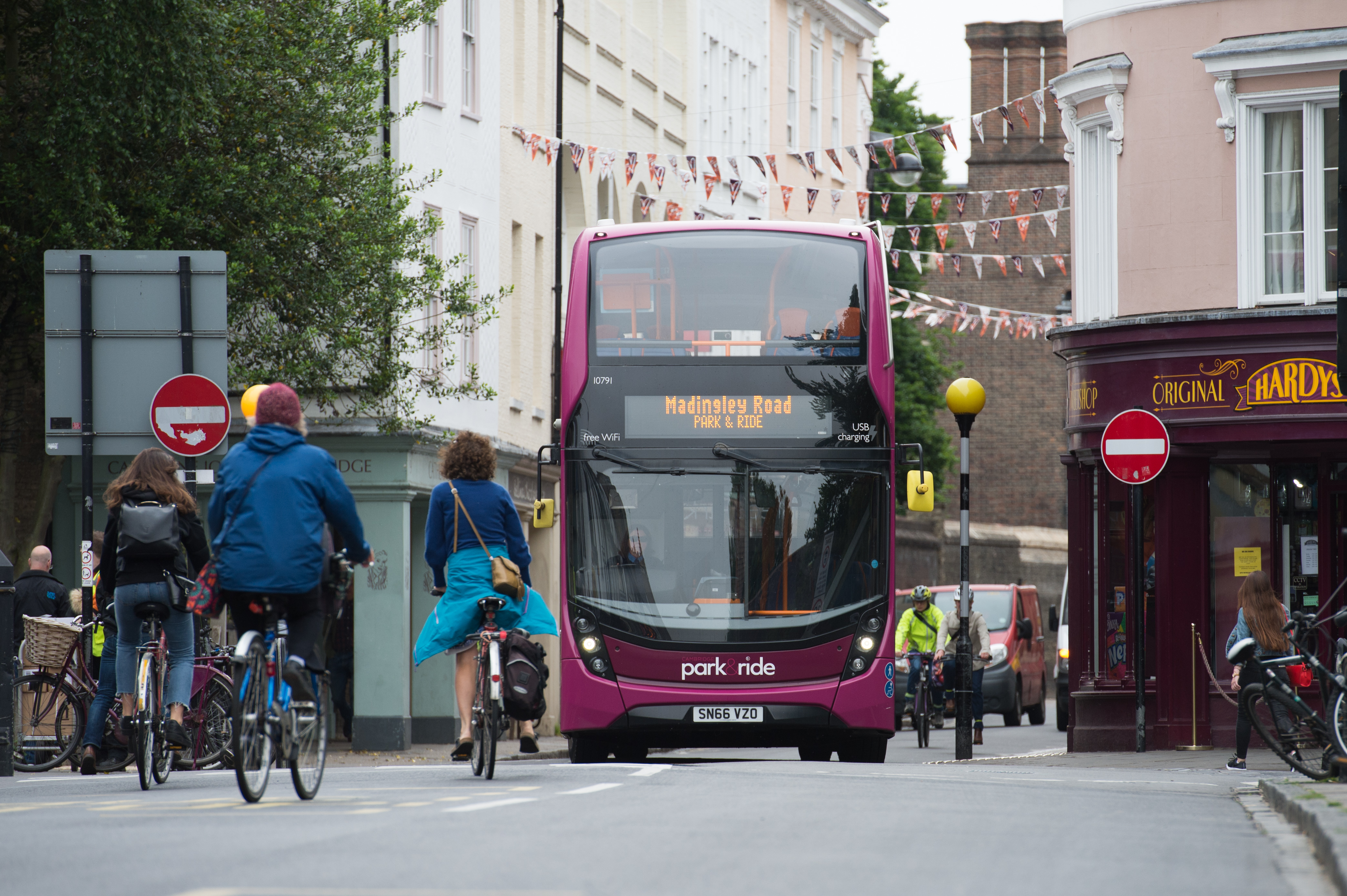
Bus services remain the backbone of regional public transport, carrying around 80% of trips in some regions. Evidence from Transport for West Midlands notes that 75% of local businesses consider good bus services essential for their operations, with 41% saying they would consider relocation if services were cut, highlighting how bus reliability underpins the local economy.
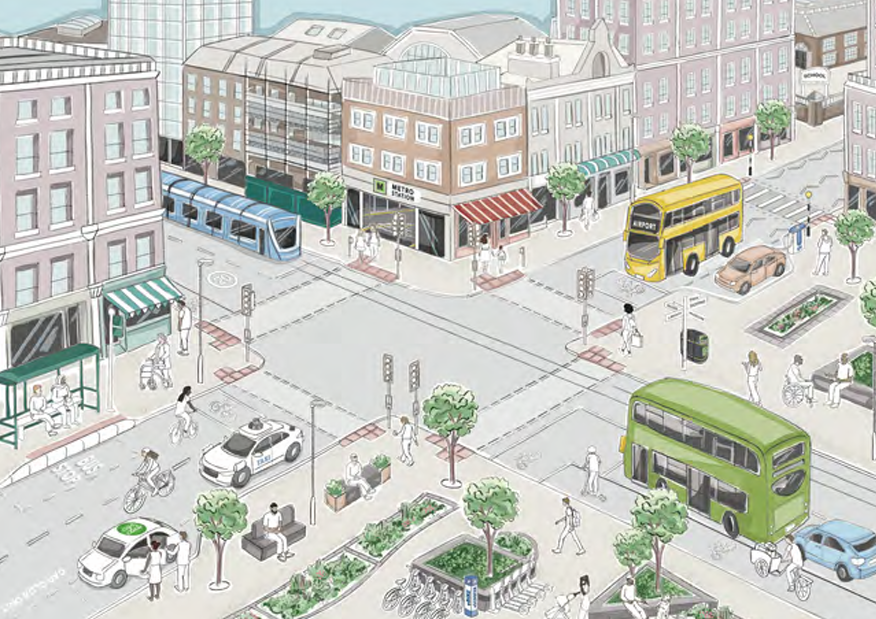
Yet bus-rail links are often misaligned, with missing real-time information, long interchange walks, and no guarantees if a connection fails. Short, step-free transfers, clear sightlines, reliable information, enhanced wayfinding, co-located bus stops, sheltered waiting areas, protected cycling routes and consistent real-time displays collectively create confidence. Many of the submissions are at pains to say these improvements need not be hugely expensive. But their presence makes a huge difference.
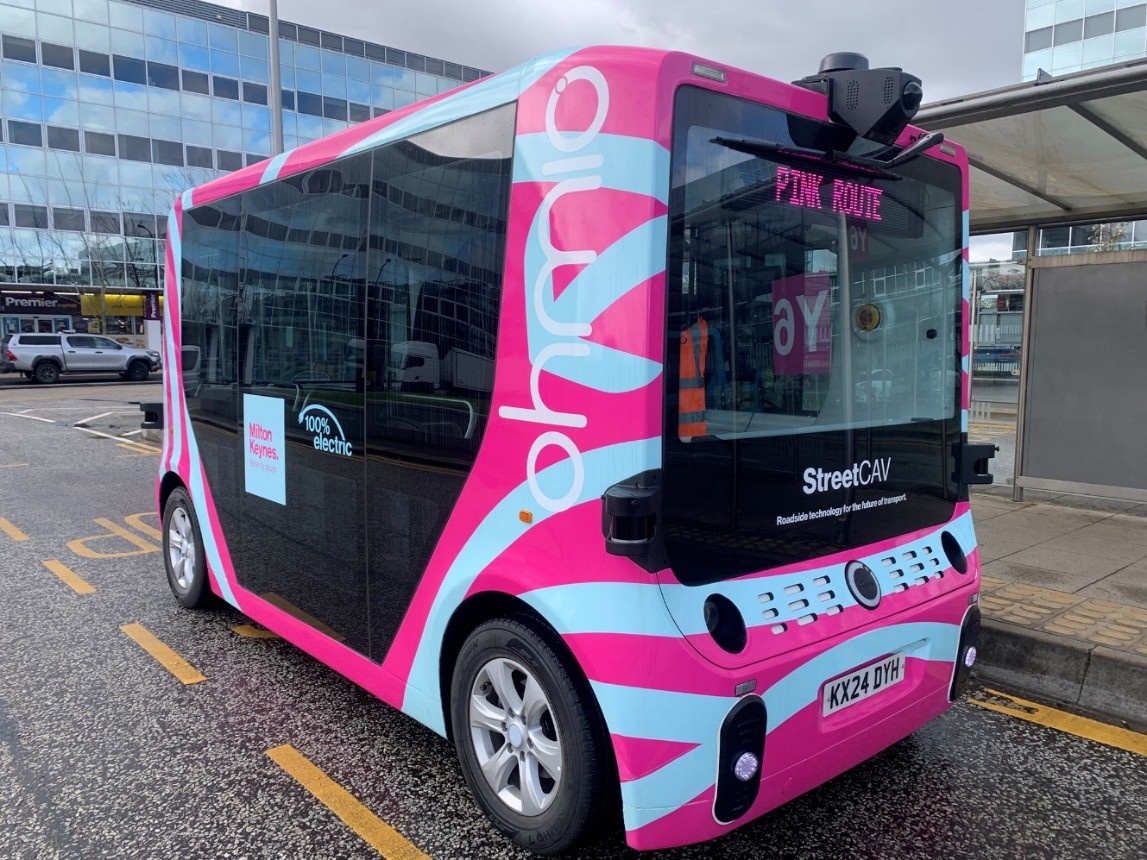
Many submissions spoke of how rural areas face distinct challenges. Demand Responsive Transport (DRT) can help when designed as a feeder rather than a substitute, as demonstrated by Hertfordshire’s HertsLynx model linking settlements as small as 30–40 homes into rail and urban hubs.
The submissions also warn that integration must be built in from the outset of new settlements: if walking, cycling and public transport are not available before the first home is occupied, car dependency risks becoming ingrained.
Digital integration is often cited as being just as important as physical design. Features like contactless payments, fare capping and real-time multimodal data are repeatedly cited as essential for reducing friction. TfL stands out as the leading UK example: its contactless system, simple capped fares and turn-up-and-go approach have enabled behaviour change by removing barriers to multimodal travel.
The submissions to the Transport Committee show what’s possible when modes are planned as one network rather than competing parts. I only joined EEH in December, but from my first week it was obvious how much improving integration is a fundamental part of our work. The taskforce will support the development of EEH’s major integration programme to realise the benefits of the investment across the region. Its advice will cut across the themes of connectivity; growth, infrastructure; and innovation. While focused on the region, the principles and applications arising from EEH’s work will be of national interest. I’m genuinely excited to play my part in helping turn this ambition into something people can feel in their everyday journeys.
For more information see: Joined-up journeys: achieving and measuring transport integration - Committees - UK Parliament
For more information on the work EEH is doing on integration, please see here