What makes our region uniquely well positioned to be a trailblazer to deliver the aspirations of today’s Better Connected strategy for integrated transport?
By Adam King, EEH Head of Policy and Partnerships
Back in November, Michael Solomon Williams of the Campaign for Better Transport rightly told our Bus and Integration Symposium that the Oxford-Cambridge Growth Corridor can be a model for ‘where integration is notan aspiration, but standard practice’.
EEH has launched a major programme of work to support this opportunity. But what makes our region uniquely well positioned to be a trailblazer to deliver the aspirations of today’s Better Connected strategy forintegrated transport?
There are a variety of ingredients which go into the ‘trailblazer bowl’:
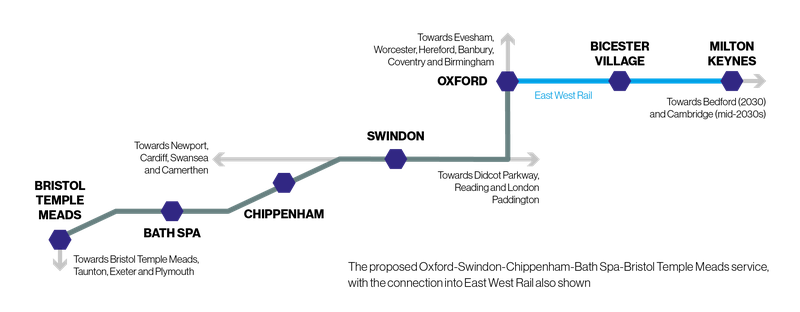
East West Rail will transform the way people travel across the region. Maximising how many people can get to stations is key, and that will depend on an integrated, door-to-door offer, including convenient accessby walking, cycling and bus. In addition, several new stations in the region arebeing built from the ground up, offering a blank canvas for how station design can enhance integration.
Massive new visitor attractions – most notably Universal Studios near Bedford but also Puy du Fou near Bicester – will attract unprecedented numbers of construction workers, followed by staff and visitors, to fixed locations within the region. They provide an unparalleled opportunity to transform the market for public transport networks. London Luton Airport is also set to expand significantly, alongside nearby Heathrow and Stansted: surface access is a crucial consideration for these important trip attractors.
The region is undergoing very significant economic and housing growth. This includes two ‘official’ new towns at Milton Keynes and Tempsford, and a third just over the Hertfordshire border (Heyford Park near Bicester was also shortlisted by the New Towns Commission). However, there is significant planned growth taking place right across the region: many new communities and urban extensions. An integrated transport offer is essential to the long-term success of this growth. It will also ensure the workforce can access job opportunities from wherever they live within the region.
Then there is the nature of our region’s ‘polycentric' geography: multiple economically significant and innovation-rich urban centres and rural hubs. Around a third of the EEH population lives in small market towns and their rural hinterlands. There are many examples of rural economic hubs – science parks, business parks and other economic assets –located in more isolated, rural locations. This geography leads to challenges in terms of transport provision – but it is exactly the type of challenge we must find integrated solutions for. Silverstone, a UK economic crown jewel with exciting future ambitions as part of its ‘2035’ initiative, provides a classic example, and is a place our integration work is likely to explore in more detail.
Another key ingredient is the will of national and local government, and private and academic sector partners, to get this right. Government has made the Oxford-Cambridge Growth Corridor a national economic priority. Local government is committed to working with them to realise the opportunity and improve the lives of their communities.
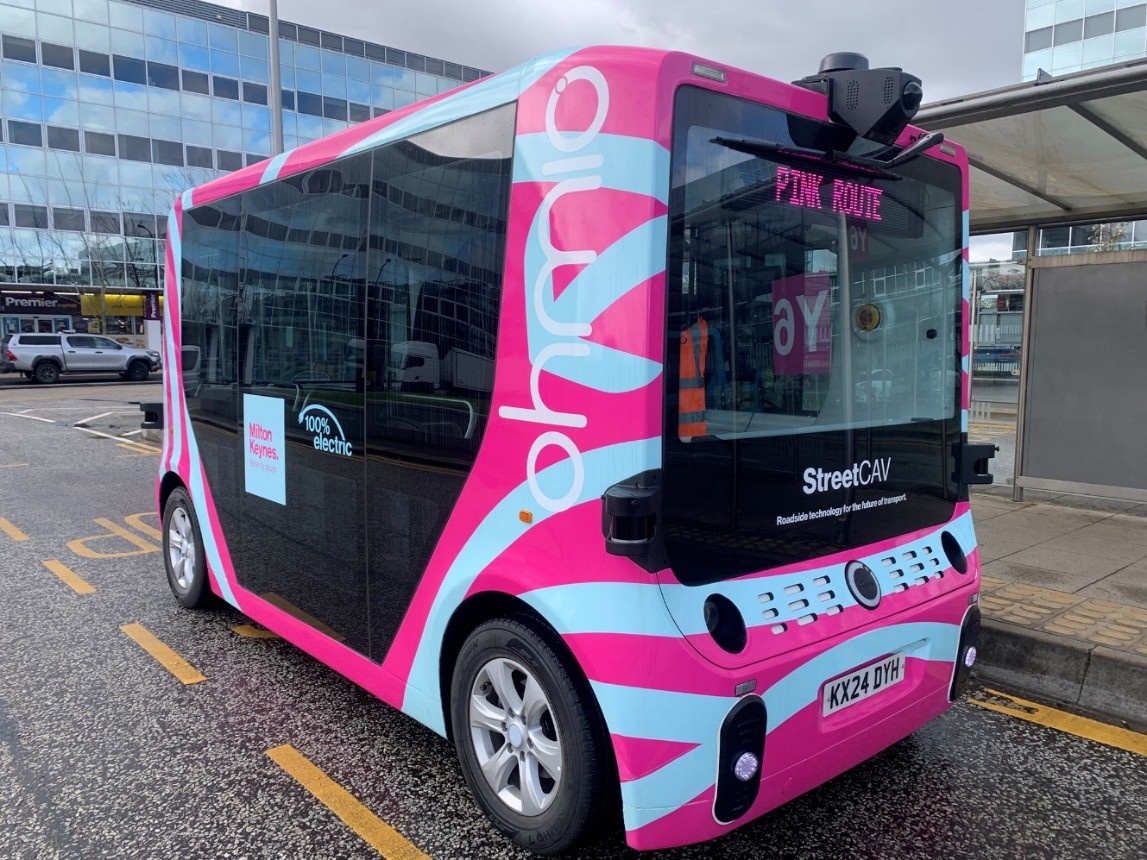
And the final, vital ingredient: a pedigree in innovation.The places within the region have already demonstrated an appetite to trial and embrace innovative solutions to historic and emerging challenges. See my colleague Trevor Brennan’s insight into the autonomous shuttles in Milton Keynes, or the approach to journey information in Bedford. Right across the region,from Oxford to Cranfield, and Westcott to Cambridge (and many other locations), future of mobility solutions are being designed or trialled in our region.
All these ingredients offer a once-in-a-generation opportunity to turn aspirations in a strategy into reality on the ground. It is now for all of us to collectively turn up the heat and ensure the region makes good on that opportunity.