Opportunities to create a truly integrated transport system in the Oxford-Cambridge Growth Corridor have been set out by EEH as the first phase of a major programme of work.
Game-changing opportunities to create a truly integrated transport system in the Oxford-Cambridge Growth Corridor have been set out by EEH as the first phase of a major programme of work.
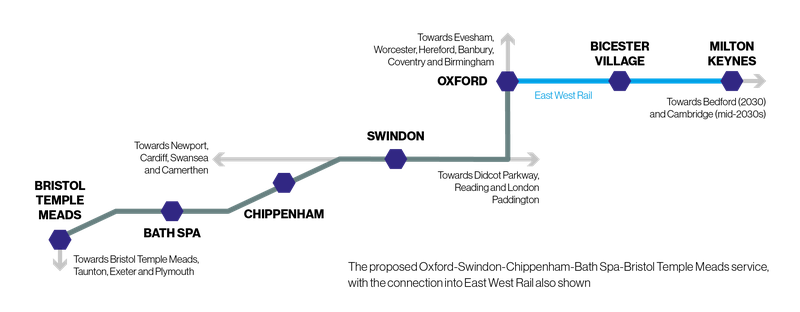
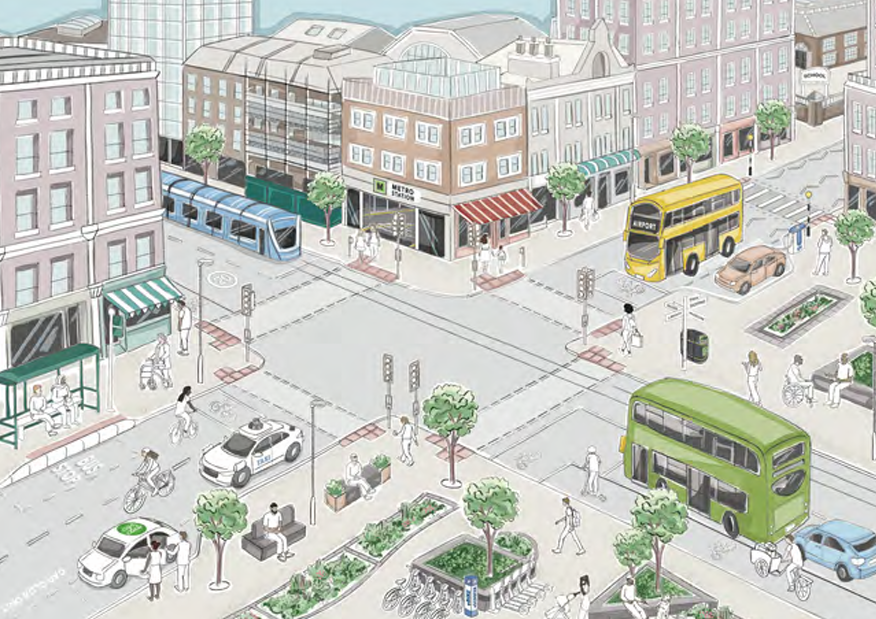
With East West Rail accelerating towards delivery, alongside housing growth, new towns, airport expansion and Universal Studios, the region is uniquely positioned to become the pioneer for a truly integrated approach to transport provision – and a trailblazer for the Government’s forthcoming National Integrated Transport Strategy.
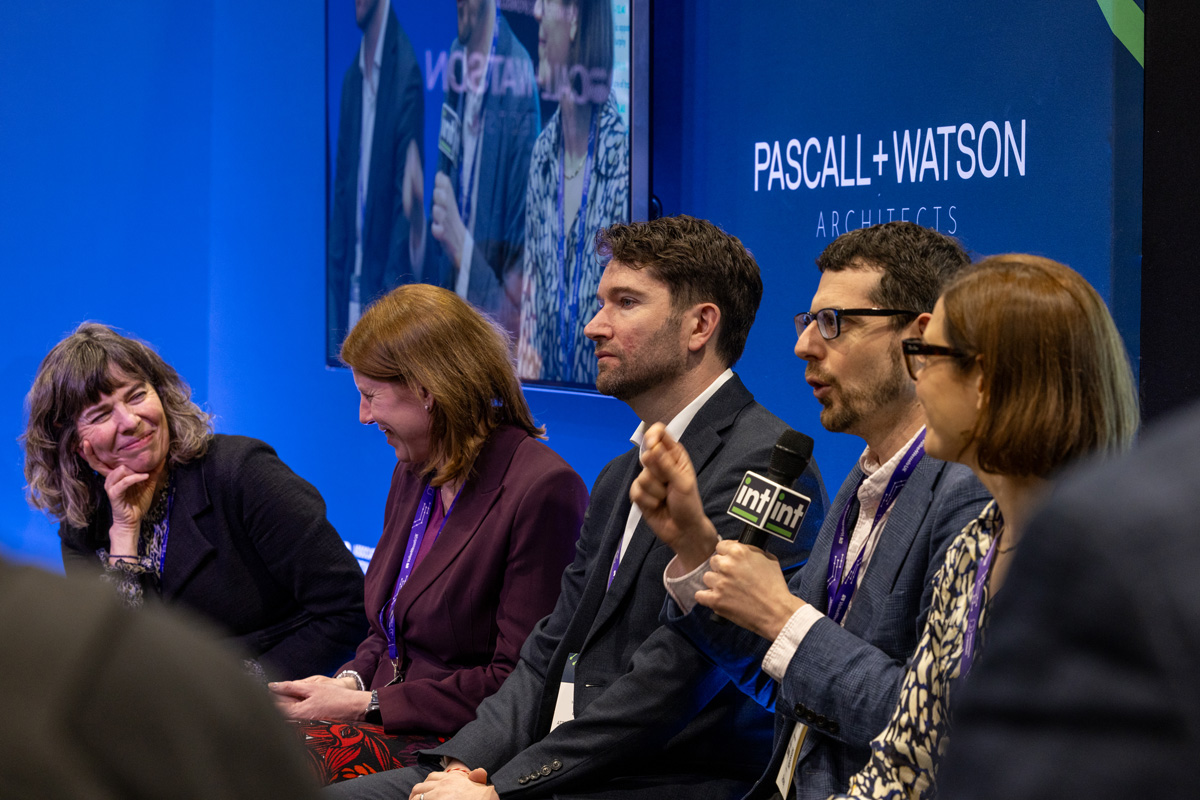
At EEH’s Bus and Integration Symposium in November, Michael Solomon Williams of the Campaign for Better Transport captured the scale of the opportunity, telling delegates that the region can be a model for “where integration is not an aspiration, but standard practice.”
To illustrate the potential, new research from EEH reveals that:
> 1.7 million people currently live within 10 miles of an East West Rail station, and there are 900,000 jobs.
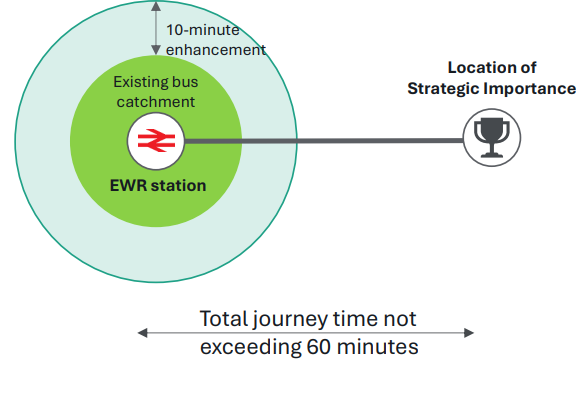
> A 10-minute enhancement in local connectivity to East West Rail stations would put an additional 210,000 residents within an hour of central Milton Keynes; 80,000 within an hour of Bicester Village; 74,000 within an hour of Luton Airport; 64,000 within an hour of central Oxford; and 52,000 within an hour of central Cambridge.
Nine Opportunity Statements to Shape a New Regional Transport Future
EEH has published its Integration Phase One report, which provides nine ‘opportunity statements’ for regional integration:
Strategic Connectivity: Seamless integration between modes on the strategic transport network.
Rural Connectivity: Better integrating rural communities with public and active transport to significantly improve access, increase choice, and shift more journeys towards sustainable modes.
Positive behaviour change: Steps to encourage people to use sustainable transport for their journey.
Active Travel: Direct connectivity with active travel networks to make local journeys to transport hubs healthier, easier and more accessible
Connecting growing settlements: Providing high quality bus and active travel networks will bring new planned development within convenient reach of transport hubs, supporting sustainable growth.
Supporting economic growth opportunities: Improving integration now will help unlock the long-term connectivity benefits of transformational economic growth projects taking place.
Enhancing bus connectivity: Enhancing existing bus connectivity will bring more communities within reach of transport hubs, broadening access to key destinations and expanding catchments for customers and talent.
Stations fit for bus integration: Improvements to facilities at and around stations to enhance accessible bus-rail integration.
Stations fit for integration: Improvements to facilities at and around stations to enhance accessibility and place-making.
Next Steps: Turning Vision into Delivery
EEH will now apply these opportunity statements to a series of specific locations—both along the East West Rail route and in surrounding areas—to identify the strongest opportunities for integration.
This next phase will be supported by a new Integration Taskforce, made up of nationally renowned experts in transport, planning and behaviour change. Members of the taskforce will be announced on the Keynote Stage at the Interchange UK Conference in Manchester on 3 March.
For each location, EEH will develop a Transport Opportunity Plan: a detailed, evidence‑based package of recommended interventions and priority actions that will help local partners, operators and government deliver meaningful change on the ground.